
Smoke In Bordeaux
Another Year of Wildfire

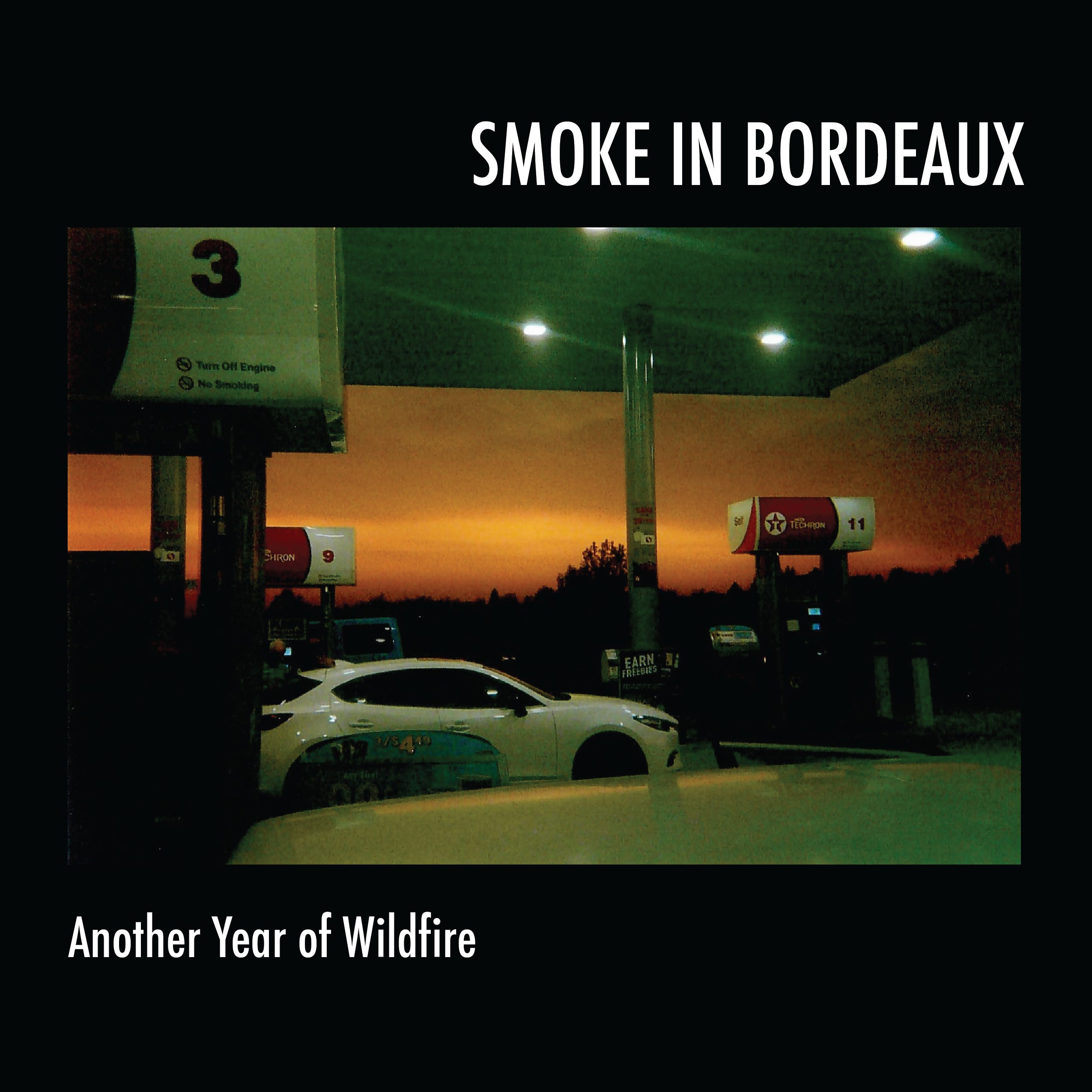
The sun through the smoke was looking really blood red, and it put the whole landscape into an eerie orange-coloured tint, like being on Mars or in some dystopian sci-fi movie,” says [climatologist Stefan] Rahmstorf. “It felt totally surreal.”
— Ajit Niranjan of Down to Earth Guardian Newsletter.
Driving through Nevada City that summer of 2020 felt as though we arrived at some ending. The air was hot in my unairconditioned car, my sweating back sticking to the seats of the 1989 Volvo. We were in Nevada City, but the air was a martian kind of ochre, so we kept the window down, hoping the fans of the car would at least help the heat of the car. As I turned a corner of a winding road beside the Yuba — my friend and I attempting but failing our planned backpacking trip to the already torch-lit Sierra — the red-grey dirt met with the orange haze of sunlight through the smoke making it hard to see where the road ended and the open air began.
In the Bay Area since, the fear of fire has grown to great fearful and frenzied heights in the late summer and early fall months. Today as I write this, stepping outside there is a tinge of haze and the scent of smoke from blazes in Sonoma. It’s a mostly overcast summer morning, and the memory of 2020 in Nevada County lingers. The smoke is a reminder of that time. Memories for many people crop up of the Eaton and Palisades Fires in 2025, or further north, the Kincaid Fire of 2019. With each passing year it seems there is some great fire to be remembered in its tragedy. Fires are cropping up all over the Northwest, and burning all over the boreal forests of Canada.
At this moment in the east coast of the US, smoke from those Canadian fires drift down into New York City and Washington DC. And across the Atlantic, in Spain and France, wildfires tear apart the countryside, untenable torches across the once agriculture-rich regions. Lacking the generations of tending, along with the unrelenting heat this summer, much of the land now is ready to burn.
The fires in Europe are tragedies in the midst of great extremes. The weather is so dense with heat in Europe, making it another record breathing year of heat waves. This, after a very wet winter which created plenty of fuel for the dry condition to make flames. These fires across Europe are becoming as common as the fires in the western United States — a part of the new kind of weather made out of our denial of reality. And Europe, along with much of the northern hemisphere is feeling the impacts of our great neglect.
We know why this happens — what we with our time have done to these lands, all across the globe. For the damages of these fires we call to account how the lands have been managed. We tell ourselves, as I have in the past, that that’s the real problem. And yet, we don’t say enough that the climate crisis is the disease for which the terror of fire is a direct symptom. I’m not sure why, but when we look too close to the flames and tragedies they create, we lose the context of why these tragedies have occurred in the first place, where they come from, and so, how to stop them from getting worse as time passes.
The signs of the worsening catastrophe of the climate crisis, and the desperation it creates, is everywhere, even beyond the weather. Oil companies buy up European football clubs to diversify their holdings in the eventuality of an oil-free society. Cheap electric vehicles are being produced very well in China (and are banned from sale in the US), yet working people in the United States are forced to buy cheaper gas cars, the EV still essentially treated as a luxury product. There are, once again, fire conditions brewing in the Hawaiian islands (though this doesn’t mean fires will occur). Kids are starvening in Palestine, not just for some inhuman notion of the right of one people over another, but also over oil fields in the West Bank, and drilling off the coast of Gaza. From ecological devastation to economic and political strong-arming, all over the world the signs of the climate crisis are here, and ever worsening.
I only bring this up because, these days, I sadly hear so little of this, the largest existential threat to humanity we have ever faced. We say we must protect democracy, without considering that its crumbling might have something to do with the worsening conditions of the climate itself. Do not forget this, that Trump, to a degree, is a reaction to this crisis, a crisis made of rampant capitalism, a capitalism where greed has been made, in all its repugnance, the moral North Star, one that leads us into our own death on a hard to parse mountain road. Do not hide from it. The world burns in a myriad of ways. Forgetting that they all relate, connect, we are losing context on how to stop it.
This is a great piece, Cole. Thank you for writing it.